
In the landscape of industrial packaging, companies frequently grapple with a pressing issue: the vulnerability of products during storage and transportation. This problem can stem from inadequate packaging materials that fail to provide sufficient protection against environmental factors such as moisture, dust, and fluctuating temperatures. Neglecting to address these challenges can lead to damaged products, financial losses, and a tarnished brand reputation. As I’ve witnessed firsthand in numerous industries, the consequences of using subpar packaging are severe; damaged goods not only affect sales but also undermine consumer trust and loyalty.
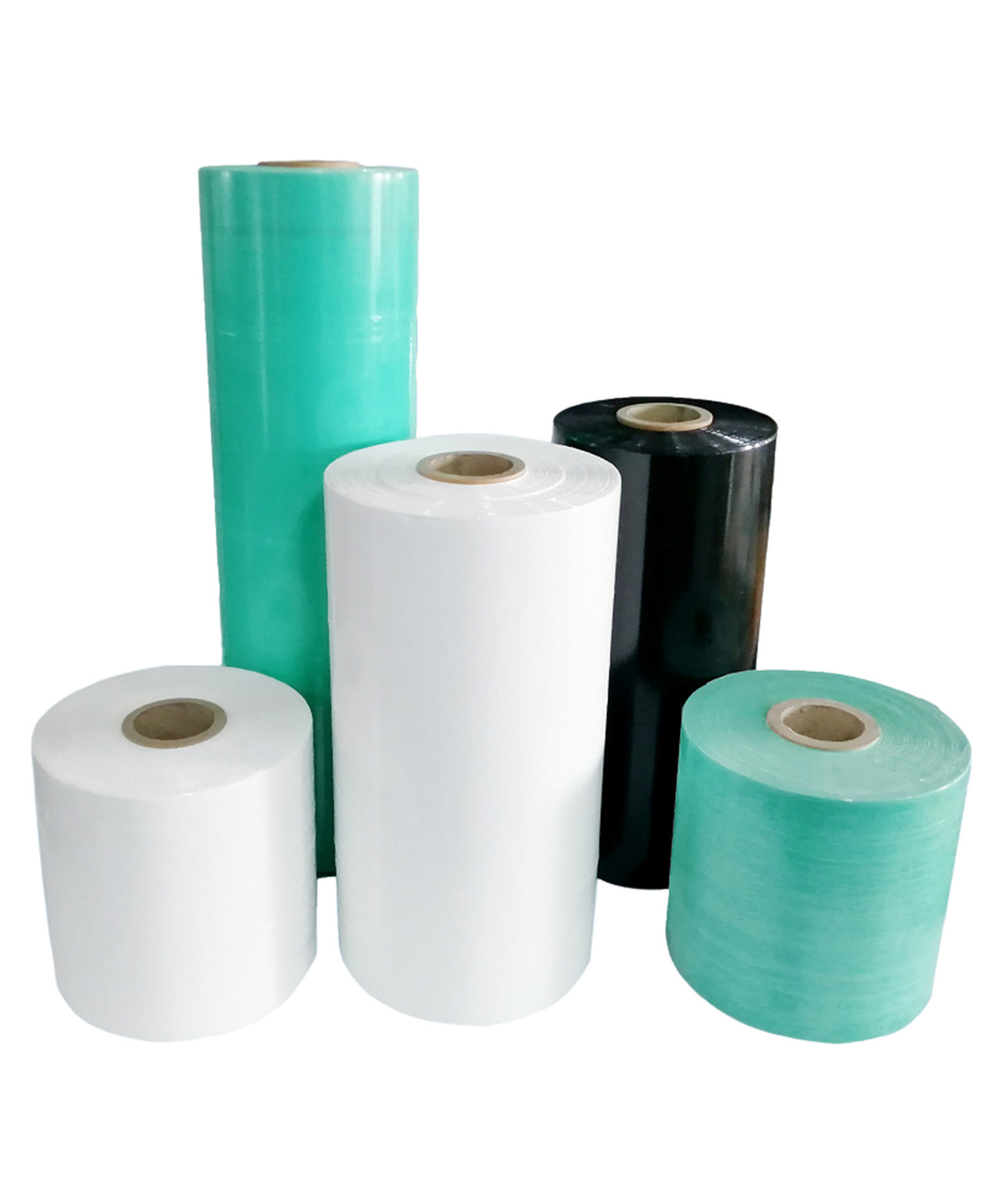
The primary culprits behind ineffective packaging often include poor material selection and inadequate sealing techniques. Many manufacturers overlook the critical role packaging plays in preventing damage during distribution. For instance, traditional packaging methods may not provide an airtight seal, allowing contaminants to compromise the integrity of the products. When businesses choose materials that lack durability, they inadvertently put their products—and ultimately, their bottom lines—at risk. This brings us to the increasing popularity of PE shrink film. Known for its robustness and adaptability, PE shrink film offers an unparalleled solution to these pervasive issues.
From a business perspective, the choice of packaging is foundational. A seamless, high-quality packaging solution can significantly enhance operational efficiency while safeguarding products. Adopting advanced PE shrink film not only protects items during transit but also provides visual appeal, which is essential for attracting consumers on store shelves. For example, using PE shrink film can minimize the risk of product wastage caused by damage. Reports indicate that companies utilizing superior packaging solutions experience a 20% reduction in claims related to product damage—a compelling statistic that underscores the clear benefits of this specific film.
Consider a case study involving a beverage manufacturer that transitioned from traditional cardboard packaging to PE shrink film. This shift resulted in a 30% decrease in transportation-related damages and a corresponding improvement in customer satisfaction ratings. By adopting PE shrink film, they not only safeguarded their products but also optimized warehouse space due to the film\'s ability to tightly secure items without additional boxing.
However, failing to implement proper packaging strategies, such as adopting PE shrink film, carries significant risks. Ignoring this necessity can lead to an increase in product returns and customer dissatisfaction, potentially resulting in a detrimental impact on market share. Additionally, as consumer expectations evolve towards sustainable and reliable packaging solutions, failure to adopt modern materials could render a business obsolete in a competitive marketplace.
In summary, the transition to PE shrink film in industrial packaging is not merely advisable but essential. At YH Package, we emphasize the importance of selecting robust materials that safeguard your products and enhance your brand credibility. I urge you to consider the long-term effects of your current packaging choices and to explore the benefits that PE shrink film can provide. By making this strategic decision, you empower your business to thrive by ensuring product protection, customer satisfaction, and adherence to industry standards. Don’t let outdated packaging hold you back—take action and elevate your operations with PE shrink film today.
By following these insights, you are poised to enhance operational efficiency and uphold the integrity of your products in the challenging world of industrial packaging.
