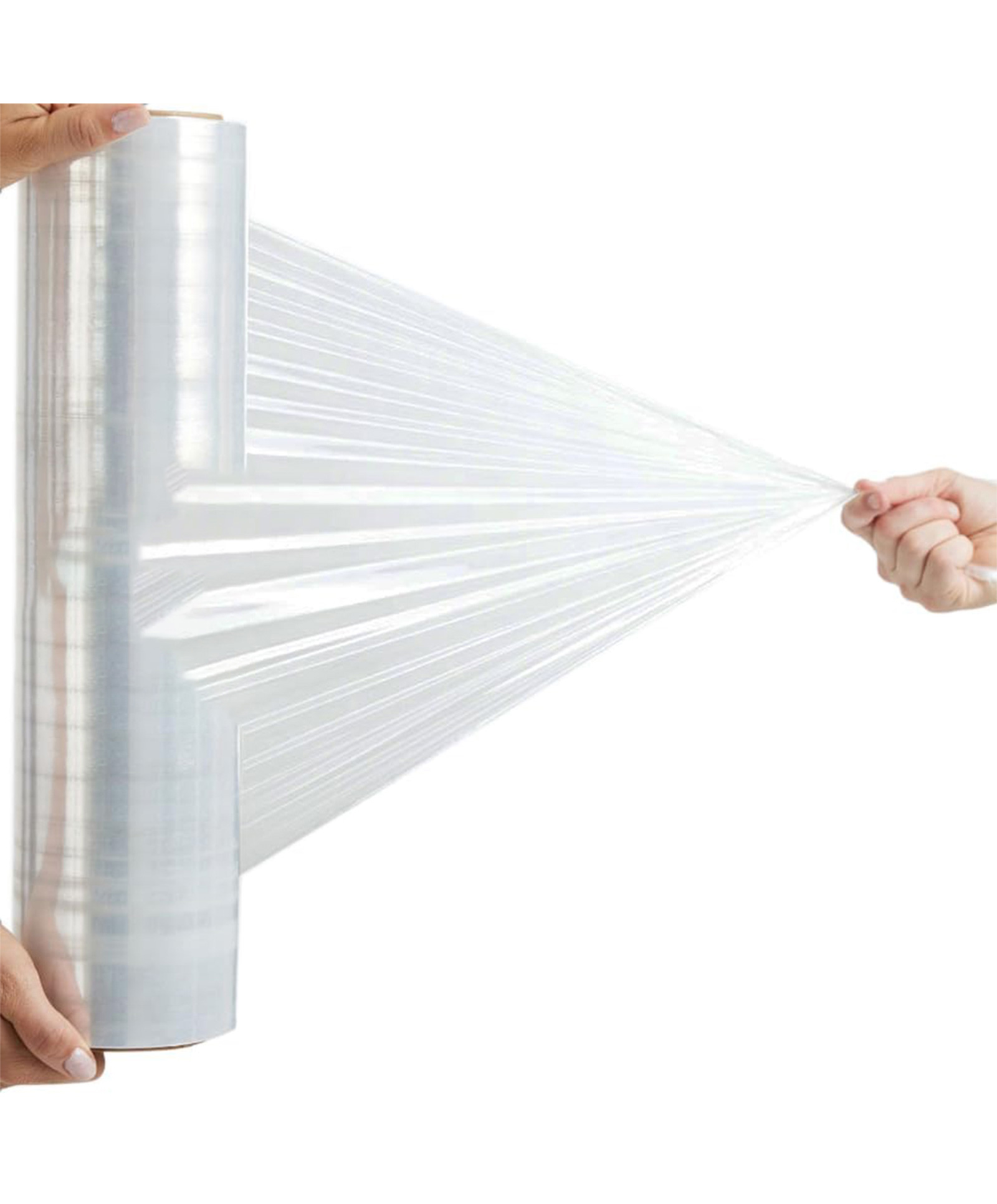
When it comes to packaging solutions, printed shrink film is a contender that often raises questions about its overall effectiveness and suitability for various applications. Businesses seeking efficient packaging solutions frequently struggle with issues such as durability, aesthetic appeal, and cost-effectiveness. For example, a retail product might risk damage during shipping, leading to financial losses estimated at up to 5% of total revenue due to damaged goods. Understanding the use of printed shrink film can address these pain points by providing an effective barrier against environmental factors while also enhancing product visibility through customized printing options.
Printed shrink films are made from polyethylene or polyolefin materials, which are proven to be highly effective in providing protection against moisture and dust. According to industry studies, products packaged in shrink film demonstrate a 25% reduction in damage compared to those packaged without. This durability is essential in maintaining product integrity from the manufacturing stage to the end consumer.
One of the significant advantages of using printed shrink film is its potential for customization. Businesses can utilize vibrant designs and logos, increasing brand visibility. A case study involving a snack brand showed that using customized shrink film packaging resulted in a 37% increase in product recognition compared to standard packaging. This statistic is crucial for companies that want to stand out on crowded retail shelves.
Investing in printed shrink film can also be cost-effective in the long run. Businesses report an average savings of 15% on packaging costs when switching from traditional box packaging to shrink wrap due to reduced material requirements. Additionally, million-dollar brands like YH Package offer competitive pricing without compromising quality, further incentivizing businesses to make the switch.
Despite its advantages, printed shrink film does have some downsides, particularly concerning environmental sustainability. Most shrink films are made from non-biodegradable materials, contributing to plastic waste. Consumers are increasingly aware of environmental issues, and brands using non-recyclable packaging may face backlash. A viable solution is to explore eco-friendly alternatives, such as biodegradable shrink films or incorporating a recycling program into the packaging strategy.
Another downside is that printed shrink film is often single-use, which limits its reusability. Products wrapped in shrink film must be opened to access the item, after which the packaging becomes unusable. Businesses may combat this by educating consumers on proper disposal or recycling methods to promote sustainability.
Overall, the decision to use printed shrink film depends on your business goals. If your priority is enhanced branding and protection for products that require visual appeal, investing in printed shrink film is likely a sound decision. However, businesses should weigh the environmental impact and seek alternatives or solutions to mitigate waste.
Printed shrink film is most beneficial for retail businesses, e-commerce packaging companies, and manufacturers looking to create an impact with their branding. If you\'re aiming for shelf appeal while ensuring product protection, this might be the right choice for you. However, if sustainability is a priority, consider evaluating alternative materials or adopting eco-friendly practices.
Most conventional printed shrink film is not recyclable, but brands can look into biodegradable options or set up a recycling program for consumers.
Printed shrink film offers superior protection, aesthetic appeal, and cost savings compared to traditional packaging options. Brands that prioritize effective marketing and product integrity find it beneficial.
Food and beverage items, cosmetics, and retail goods that need enhanced visual appeal and protection during transport benefit significantly from printed shrink film packaging.
For more information on printed shrink film solutions, visit YH Package.