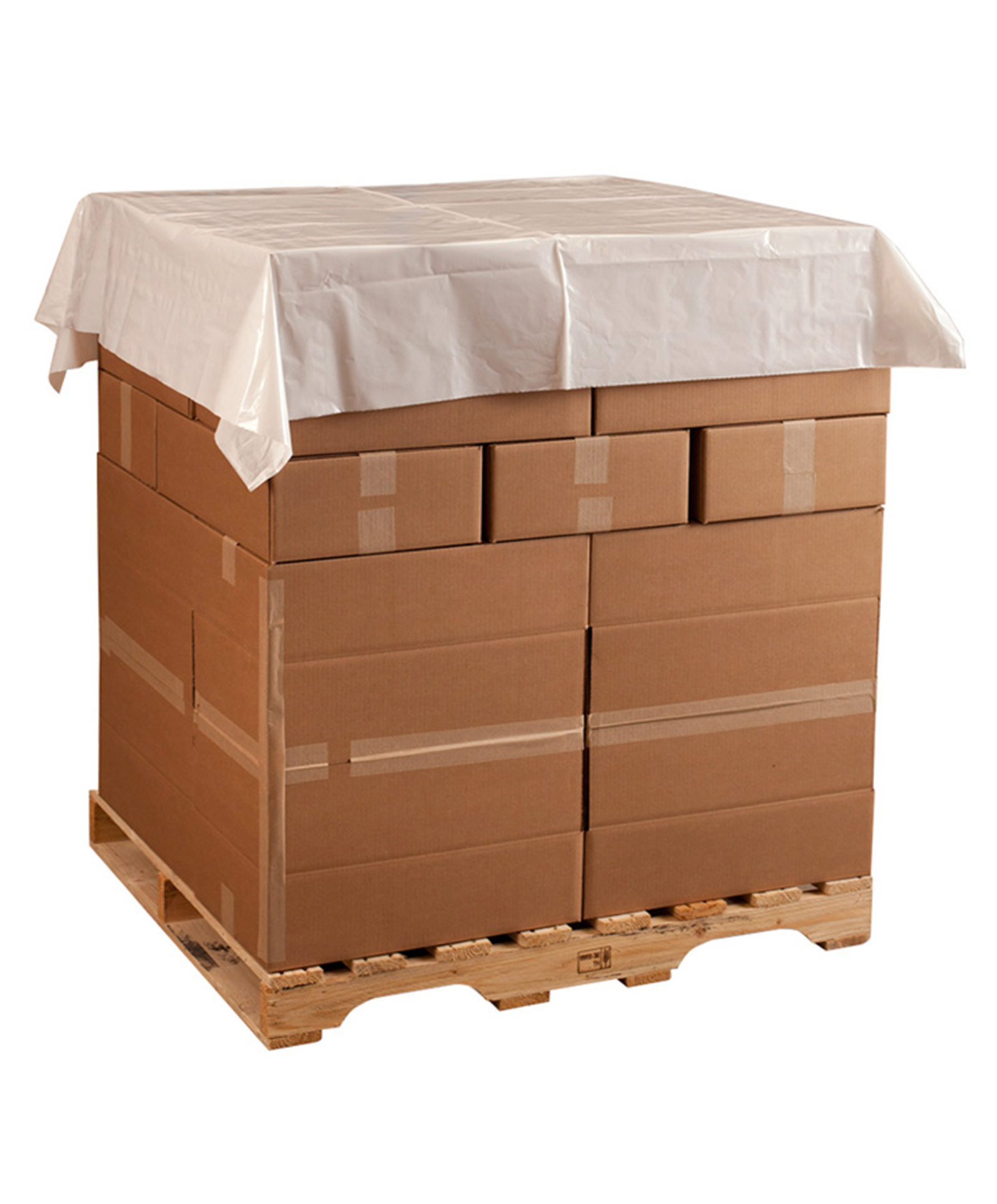
Designing stretch hood films involves multiple key considerations that affect packaging efficiency, product protection, and overall sustainability. Buyers and distributors looking for optimal solutions should focus on raw material choice, film strength, and user experience. When done correctly, these films can significantly enhance product integrity and minimize environmental impact.
Choosing the right materials is crucial as it influences durability, stretchability, and overall performance.
Polyethylene is the most commonly used material due to its excellent stretch properties and cost-effectiveness, while polypropylene offers better clarity but at a higher cost. Composite materials provide unique benefits but require careful consideration of application suitability.
The thickness of stretch hood films significantly impacts strength, stretch ratio, and cost. The following table illustrates common thickness levels:
| Film Thickness (microns) | Strength | Stretchability | Common Use Cases |
|---|---|---|---|
| 50 | Low | High | Lightweight products |
| 100 | Medium | Medium | Standard retail packaging |
| 150 | High | Low | Heavy duty applications |
Choosing an appropriate thickness based on the product weight and transport conditions ensures maximal safety.
Appearance is critical for consumer appeal and branding. A transparent stretch hood film showcases the product while maintaining protection.
Using high-quality films enhances clarity, which can lead to increased sales, as shoppers prefer visible products.
As sustainability becomes increasingly crucial, evaluating the environmental impact of materials is essential. Factors include:
By opting for recyclable or biodegradable options, manufacturers can appeal to eco-conscious consumers while adhering to regulations.
Evaluating the cost implications of different materials and processes affects overall profitability. Consider these aspects:
Effective cost management must balance material quality and final pricing, ensuring customer satisfaction while maximizing margins.
In summary, crafting effective stretch hood films demands a comprehensive approach that encompasses material selection, thickness, clarity, environmental impact, and cost-effectiveness. Understanding these key considerations not only enhances product packaging but also ensures satisfaction for both producers and consumers alike. Aligning design processes with strategic insights can lead to meaningful advantages in the increasingly competitive packaging market.
For more information, visit YH Package.